

How To Transform Frustration Into Fuel
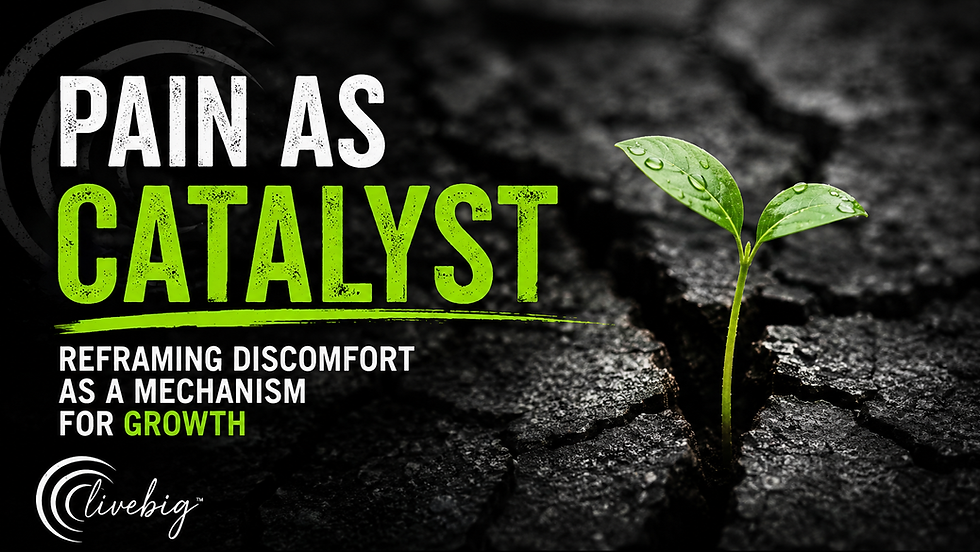
Frustration As An Energy Source
Frustration is a natural response when people don’t meet our expectations, behave in ways we don’t understand, or when conflicts arise. It can feel like a loop playing in our minds, replaying the situation over and over again, fueling feelings of indignation and annoyance.
Often, we try to suppress these emotions by distracting ourselves with positive activities, but when the frustration lingers, we need a better approach. Instead of ignoring it, we can turn it into something positive and productive using a simple four-step process.
Step 1: Identify and Define Your Frustration
The first step to overcoming frustration is acknowledging it. Ignoring or suppressing frustration only gives it more power, causing it to surface repeatedly in moments of stress. Take a moment to list the names of the people who are on your mind and succinctly describe what is bothering you. Be honest but concise. Writing it down helps you externalize your feelings rather than letting them fester internally.
For example:
John never follows through on his commitments, and it makes me feel like I can’t rely on him.
Sarah constantly criticizes my ideas, and I feel undervalued.
Mike takes credit for my work, and it frustrates me because I work hard to contribute.
This exercise isn’t about dwelling on negativity but rather clarifying the root of your frustration. It helps you separate facts from emotions, making it easier to address the issue logically rather than reactively.
Step 2: Recognize Their Strengths
Now, shift your perspective. Take yourself out of the equation for a moment and objectively assess what these individuals have going for them. If you were not clouded by frustration, what might you actually admire about them?
John is great at coming up with creative ideas, even if he struggles with follow-through.
Sarah has high standards and a keen eye for detail.
Mike is confident and knows how to promote himself well.
Acknowledging the strengths of those who frustrate us does not mean excusing their behavior. Instead, it helps us move from a place of irritation to one of understanding. Often, people’s strengths and weaknesses are two sides of the same coin—what frustrates us about someone may actually be linked to qualities we can appreciate in a different context.
Step 3: Extract the Qualities You Admire
Now, make a new list, separate from the names, containing only the admirable traits you wrote down:
Creativity
High standards and attention to detail
Confidence and self-promotion
Without attaching these qualities to specific individuals, they become neutral traits that we can assess objectively. Seeing them in this way allows us to consider how these characteristics might be beneficial in our own lives.
Step 4: Reflect and Apply to Yourself
Ask yourself: Would these qualities look good on you? Are you living up to your potential in these areas? Instead of fixating on someone else’s actions, use this as an opportunity to evaluate yourself and grow.
Am I as creative as I’d like to be, or do I play it safe?
Do I hold myself to high standards, or do I sometimes settle?
Am I advocating for myself and my work the way I should be?
By shifting the focus from frustration to self-improvement, you regain control of your emotions and actions. Instead of feeling stuck in a cycle of resentment, you empower yourself to grow in ways that benefit you.
Shifting the Narrative
It’s easy to dwell on what upsets us, replaying scenarios in our minds and reinforcing our indignation. Our natural instinct is to focus on the risks and wrongs, defending ourselves against them. But what if we changed the narrative? Instead of looking at others as obstacles, we can see them as mirrors reflecting areas where we can grow.
When we view frustration as a tool for self-reflection rather than a source of negativity, we transform it into an opportunity for personal evolution. We stop feeling like victims of others’ behavior and start seeing how we can refine our own skills, attitudes, and actions.
A 4-Step Plan to Regain Control
If you’ve explored the pain of frustration enough to be ready for change, this simple four-step plan will guide you back to living your best life:
Identify and Define Your Frustration – Acknowledge what’s bothering you by writing it down.
Recognize Their Strengths – Shift your perspective to see admirable qualities in those who frustrate you.
Extract the Admirable Qualities – Make a neutral list of these strengths without personal attachments.
Reflect and Apply to Yourself – Use this insight as a tool for self-improvement and personal growth.
LIVEBIG: Let’s Make It Happen!
Sometimes, our greatest strengths are buried beneath emotions and mental loops of frustration. When we shift our focus from blame to self-reflection, we unlock new levels of potential in ourselves. Every challenge—including our frustrations with others—is an opportunity for growth.
Instead of letting negative emotions dictate our outlook, we can use them to propel us forward. That’s what it means to LIVEBIG—to take every experience, even the frustrating ones, and turn them into fuel for greatness.
Let’s make it happen!


Comments